Get Chimney Cap Replacement
Chimney cap replacement services help property owners prevent water damage, block debris and pests, and improve chimney safety by installing new or upgraded caps with local contractors.
Property owners considering chimney cap replacement often recognize the importance of protecting their homes from weather elements and debris. A properly functioning chimney cap helps prevent water intrusion, animal entry, and buildup of creosote, which can contribute to fire hazards. Exploring options for replacement ensures that the chimney system remains effective and durable, providing peace of mind for those maintaining their property's safety and integrity.
For those planning renovation or maintenance projects, comparing local contractors who specialize in chimney cap services can help identify experienced professionals suited to specific needs. Evaluating different service providers allows property owners to find experts capable of delivering reliable, high-quality work. Continuing to explore available options can support informed decisions and successful project outcomes.
- Chimney Cap Replacement - when a damaged or missing chimney cap exposes the chimney to debris, animals, or moisture.
- Chimney Cap Replacement - if existing caps are rusted, cracked, or no longer effective at preventing water intrusion.
- Chimney Cap Replacement - during renovations or upgrades to improve the chimney’s overall protection and performance.
- Chimney Cap Replacement - when installing a new chimney to ensure proper venting and prevent animal entry.
- Chimney Cap Replacement - if a chimney cap has been damaged by severe weather or falling debris.
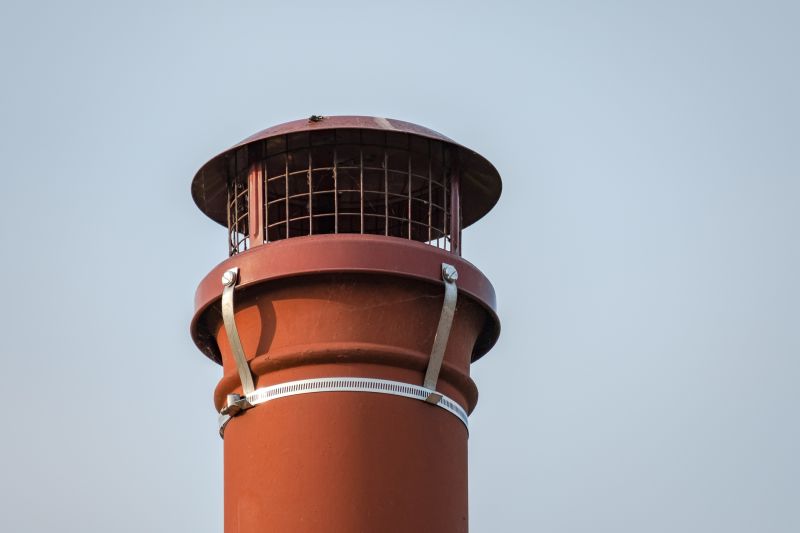
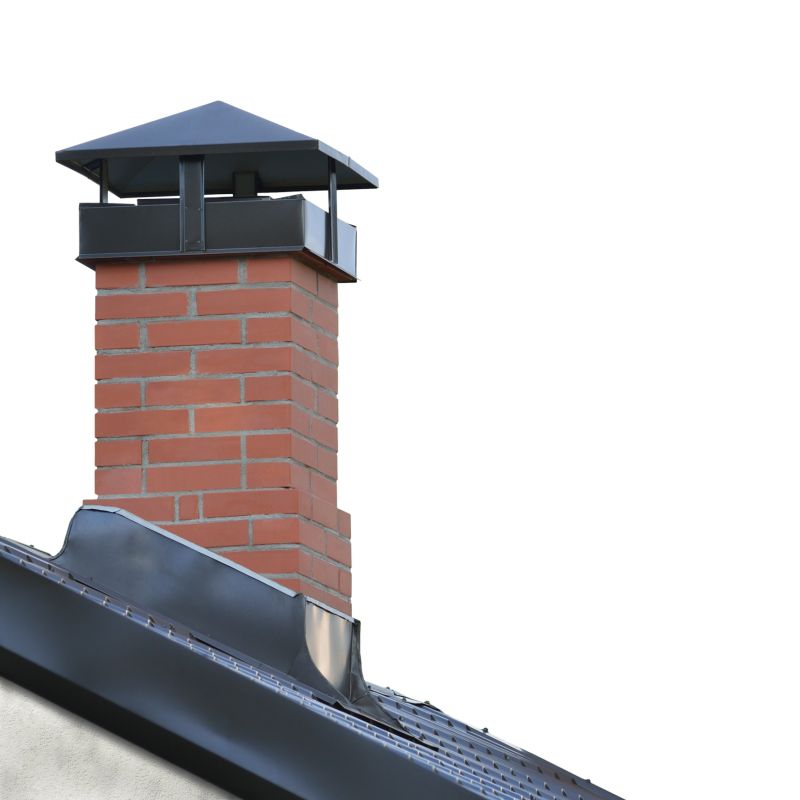
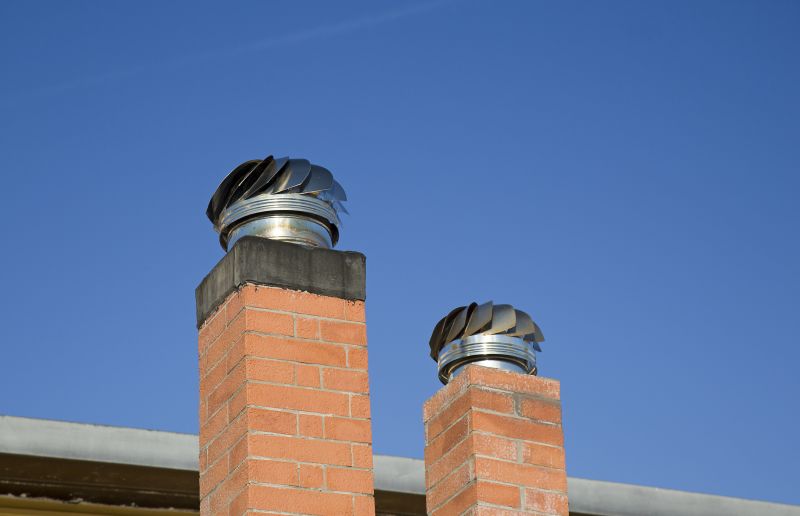
Chimney cap replacement services involve removing an existing chimney cap and installing a new one to protect the chimney opening. The process typically includes inspecting the current cap for damage or wear, selecting a suitable replacement that matches the chimney’s size and style, and securely installing the new cap to ensure proper function. This service helps maintain the integrity of the chimney system and prevents debris, animals, and water from entering the flue, which can cause damage or blockages over time.
Replacing a chimney cap addresses several common problems faced by homeowners. Over time, caps can become rusted, cracked, or dislodged due to weather exposure or age. A damaged or missing cap can lead to water leaks, which may cause interior damage or rusting of the chimney structure. Additionally, an inadequate cap can allow animals, leaves, or debris to enter the chimney, increasing the risk of blockages or fire hazards. Timely replacement helps prevent these issues and ensures the chimney functions safely and efficiently.
This service is often needed for residential properties with fireplaces, wood stoves, or other venting systems that rely on chimneys. Homes in areas with harsh weather conditions or frequent storms may experience more damage to their chimney caps, making regular inspections and replacements essential. Chimney cap replacement can also be part of routine chimney maintenance or repair after storm damage or signs of deterioration. Property owners looking to protect their investment and ensure safe operation of their heating systems often seek out these services.
Homeowners should consider chimney cap replacement if they notice signs of damage, such as rust, cracks, or missing parts, or if they observe water stains or debris near the chimney top. It’s also advisable to have a professional inspection if there are unusual odors, animal activity, or visible obstructions in the chimney. Local contractors who specialize in chimney services can assess the condition of the existing cap, recommend the appropriate replacement, and ensure the new cap is installed correctly. This helps keep the chimney system secure, functional, and protected against future problems.
The overview below groups typical Chimney Cap Replacement projects into broad ranges so you can see how smaller, mid-sized, and larger jobs often compare in your area.
In many markets, a large share of routine jobs stays in the lower and middle ranges, while only a smaller percentage of projects moves into the highest bands when the work is more complex or site conditions are harder than average.
Smaller Repairs - Most routine chimney cap replacement projects fall within the $250-$600 range. Local contractors typically handle these simpler jobs efficiently, with many projects completing in this middle range. Fewer projects tend to push into the higher end of this spectrum.
Standard Replacement - Replacing a standard chimney cap usually costs between $600 and $1,200. These jobs often involve moderate complexity and are common among local service providers. Larger or more customized caps can increase costs beyond this range.
Custom or Specialty Caps - Custom-designed or specialty chimney caps can range from $1,200 to $2,500, depending on size and materials. Many projects in this category are more complex and require specialized installation, which can push prices higher.
Full Chimney Cap Replacement - Complete replacement of multiple caps or extensive chimney systems can reach $2,500 or more. These larger projects are less frequent and tend to involve higher labor and material costs, reflecting their complexity and scope.
Actual totals will depend on details like access to the work area, the scope of the project, and the materials selected, so use these as general starting points rather than exact figures.
Chimney Crown Repair - professionals who repair or replace chimney crowns often use similar skills and tools as those needed for chimney cap replacement, ensuring proper sealing and protection.
Flue Liner Installation - installing or repairing flue liners requires knowledge of chimney systems and similar planning to ensure safe venting and proper fit.
Chimney Flashing Replacement - replacing chimney flashing involves working around the chimney structure with similar tools and attention to detail as chimney cap installation.
Chimney Waterproofing - waterproofing services involve sealing and protecting chimney components, which aligns with the skills used in chimney cap replacement projects.
Chimney Sweeping and Inspection - thorough inspection and cleaning require understanding of chimney components, aiding in identifying issues related to caps and venting.
Venting System Repairs - repairing or upgrading venting systems involves planning and skills comparable to those used in chimney cap replacement to ensure proper operation.
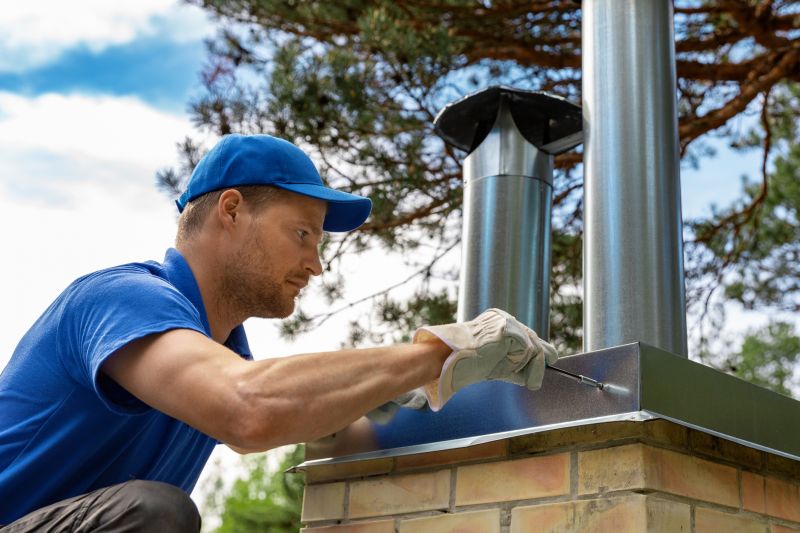
When comparing service providers for chimney cap replacement, it is important to consider their experience with similar projects. Homeowners should look for local contractors who have a proven track record in handling chimney cap installations, ensuring they are familiar with the specific requirements and common issues associated with these types of jobs. An experienced professional can often provide more reliable results and offer insights based on past work, which can help in making an informed decision.
Clear, written expectations are essential when evaluating potential contractors. Homeowners should seek detailed descriptions of the scope of work, materials to be used, and any warranties or guarantees offered. Having these details in writing helps prevent misunderstandings and ensures that everyone is aligned on the project’s goals. It also provides a reference point if questions or concerns arise during or after the work is completed.
Reputable references and good communication are key indicators of a trustworthy service provider. Homeowners can ask local pros for references from previous clients or look for reviews to gauge their reputation. Additionally, contractors who communicate clearly and promptly can better address questions, provide updates, and adapt to any unforeseen issues. While this site introduces homeowners to local options, it is important to verify these qualities directly with the service providers to find the best match for the chimney cap replacement project.
Property owners use Chimney Cap Replacement services for practical projects around their homes and businesses. This guide focuses on everyday jobs and straightforward project options.
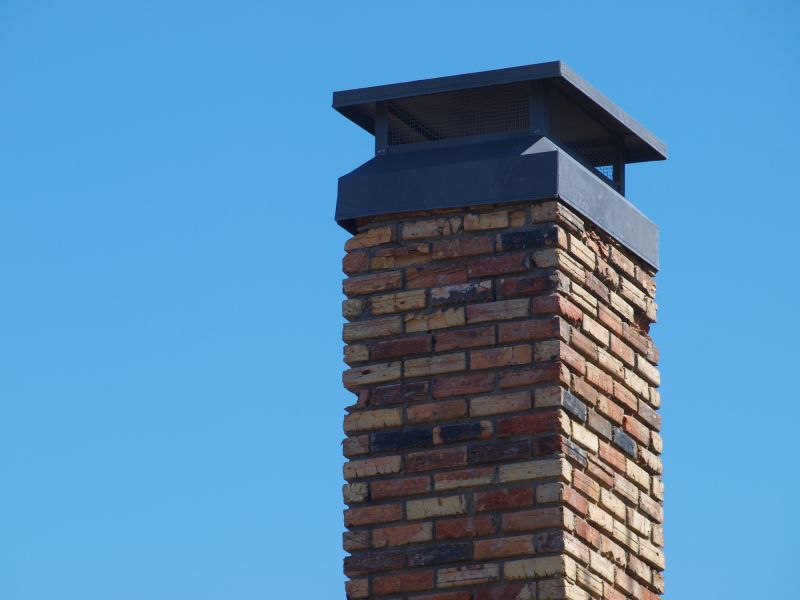
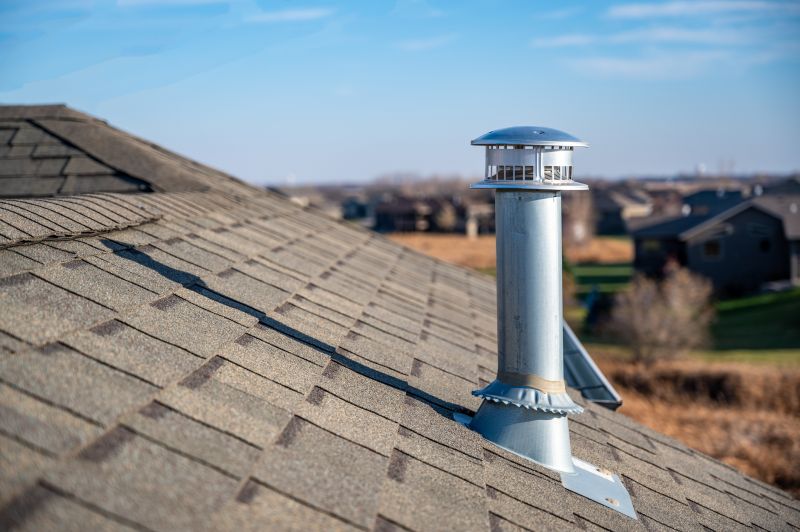
Chimney cap replacement is a common service property owners seek when their existing caps become damaged or worn out. Over time, exposure to weather elements like wind, rain, and snow can cause caps to rust, crack, or become loose, increasing the risk of debris buildup or animal intrusion. Homeowners noticing issues such as draft leaks, falling debris, or pests in their chimneys often look for local contractors who can efficiently replace or repair their chimney caps to restore proper function and protect their fireplaces.
Additionally, property owners may opt for chimney cap replacement during routine maintenance or when upgrading their chimney system. A new cap can improve overall chimney performance by preventing water damage, reducing downdrafts, and enhancing safety. Local service providers are equipped to handle these projects, ensuring that chimney caps are properly installed and secure, helping homeowners maintain their property's integrity and avoid costly repairs down the line.
Why should I replace my chimney cap? Replacing a damaged or outdated chimney cap helps prevent debris, animals, and water from entering the chimney, which can reduce the risk of damage or blockages.
How do I know if my chimney cap needs replacement? Signs include rust, corrosion, missing parts, or visible damage. A professional inspection can confirm whether a replacement is necessary.
What types of chimney caps are available for replacement? There are various options such as mesh caps, solid caps, and custom-designed caps, allowing for choices based on your chimney’s needs and style.
Can a chimney cap be replaced without professional help? While some homeowners may attempt replacement, it is generally recommended to hire local contractors for proper installation and safety.
What benefits does a new chimney cap provide? A new cap can improve chimney performance, protect against water damage, and help keep pests and debris out of the chimney system.
Protect the chimney opening - replacing a damaged or missing chimney cap helps prevent debris, animals, and rainwater from entering the chimney.
Improve chimney function - a new chimney cap can enhance airflow and reduce the risk of downdrafts affecting indoor comfort.
Prevent chimney damage - installing a durable cap shields the chimney structure from weather-related wear and tear.
Enhance safety and efficiency - service providers can ensure the chimney cap is properly installed to maintain safe operation of the fireplace or stove.
If you are thinking about Chimney Cap Replacement for a property, this guide is meant to help you understand the work, the typical project types, and how different options might fit your plans.
When you are ready, you can use the quote form on this page to share a few details about your project. From there, local pros can review the basics and respond with options that match what you have in mind.